“Stop fixating on Gaza and Ukraine, the United Nations is doing great. You shouldn’t criticize it,” one of the highest UN officials told me back in March 2024. I just announced my campaign, surrounded by top diplomats in a marble-covered room at the UN headquarters in New York City. In the blink of an eye, my impostor syndrome was gone. If people with influence and power cannot see the urgency of stopping genocide in an institution designed to stop war, the people must rise up.
Endorse my UN campaign in 1 click
I never thought I would run for United Nations Chief. Nor did I want to. People say that I’m unqualified, too young and radical. And they might not be wrong. At 31, I am half the age of most Secretaries-General when they assumed office. Unlike all my predecessors, I am not a former head of state or a seasoned diplomat. I am a woman, though the UN has never been led by one. And I am seen as too radical. I am not a regular of UN conventions in New York or Geneva. Instead, I co-founded Volt, the first pan-European political party, a progressive front to resist the divisive trends started by Brexit, today sitting in several parliaments across Europe. But Europe alone cannot solve the massive global crises we face. So I went on to co-found Atlas, the first global political party, to push political power beyond borders. We are fighting for a global governance system that is equitable, democratic and inclusive. We pushed for vaccine equity during COVID, stood in solidarity with freedom struggles, organised a boycott of Russia’s presidency of the UN Security Council, and proposed a former president as the first people-backed candidate for UN Chief in 2021. If governments fail, people must act globally.
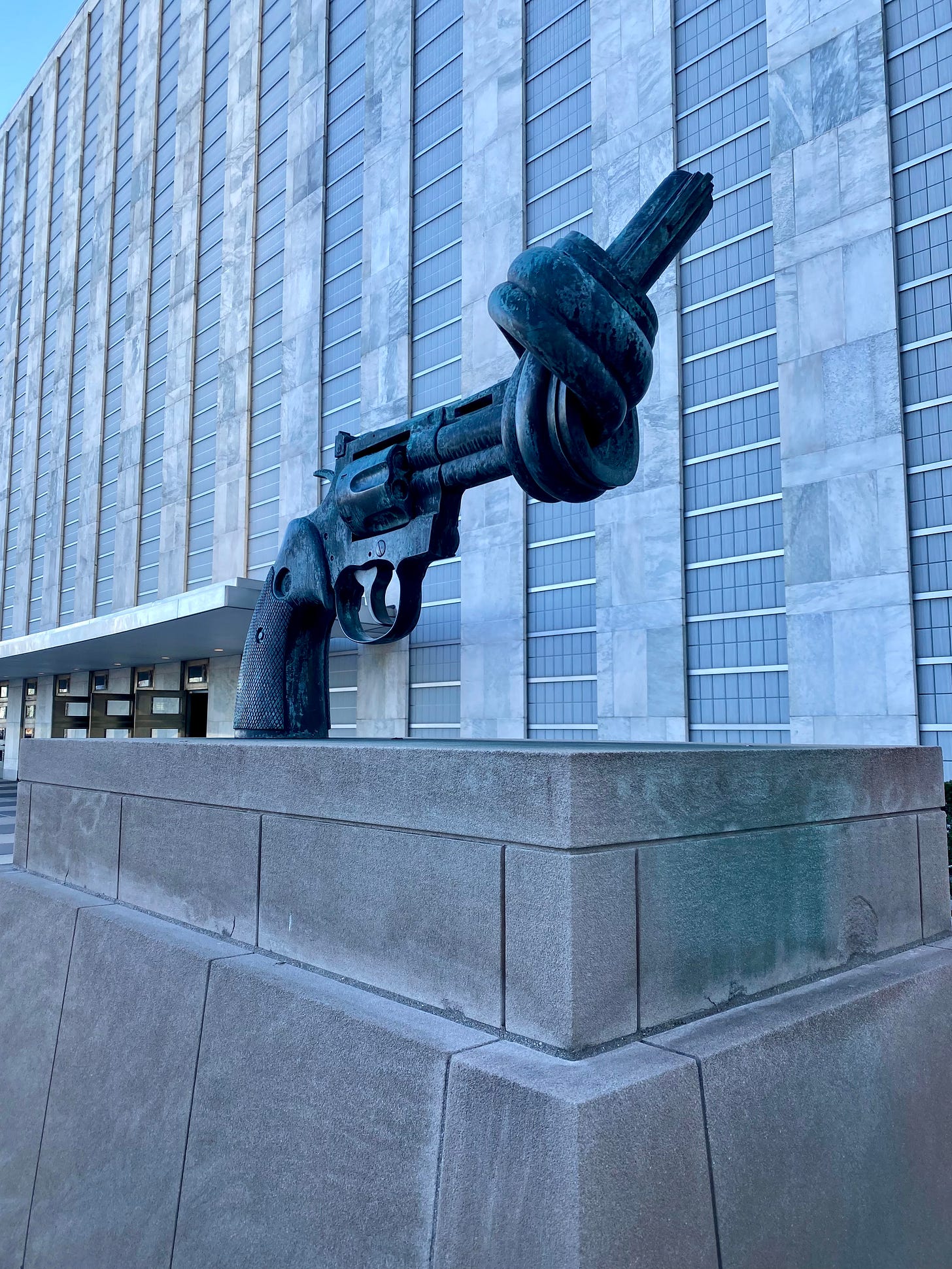
But watching the system stand by while genocide unfolds in Gaza, while climate chaos destroys lives, while artificial intelligence develops unchecked, something broke in me. I could no longer accept a world where the UN, the very institution meant to protect us either enables our destruction, or is too weak to act. It lacks legitimacy, power and structure. And the reason is simple: for too long, the UN has been hostage to a handful of powerful states. The Permanent 5 - my own country France, together with the UK, US, China, and Russia - yield the veto on every major decision in the organization. The UN becomes irrelevant, and millions pay the price.
It does not have to be this way. For all its flaws, the United Nations saves lives every single day. It provides food to those who would otherwise starve, vaccinates millions of children, shelters refugees, and coordinates emergency relief after disasters. It has helped drive down polio cases by more than 99%, overseen the destruction of nearly all declared chemical weapons, and pushed through treaties that have reduced the global nuclear arsenal. These are real achievements. But when political crises erupt, it freezes.
The way the Secretary-General is chosen shows this perfectly. Every five years the Security Council decides on one candidate in backroom deals and the General Assembly rubber stamps them. Each permanent member holds a veto. The result is a leader who embodies paralysis, selected to appease the most and upset the least.
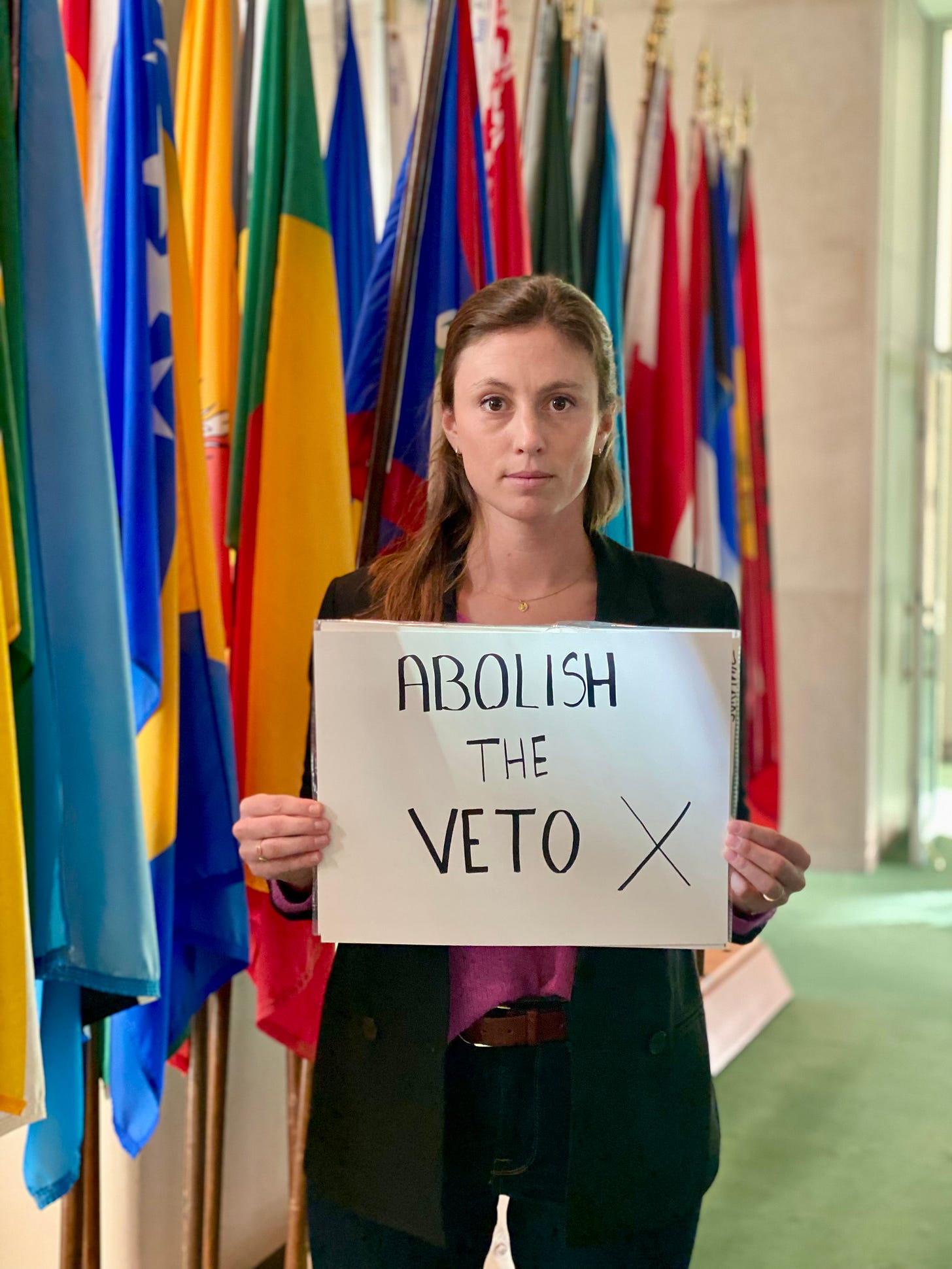
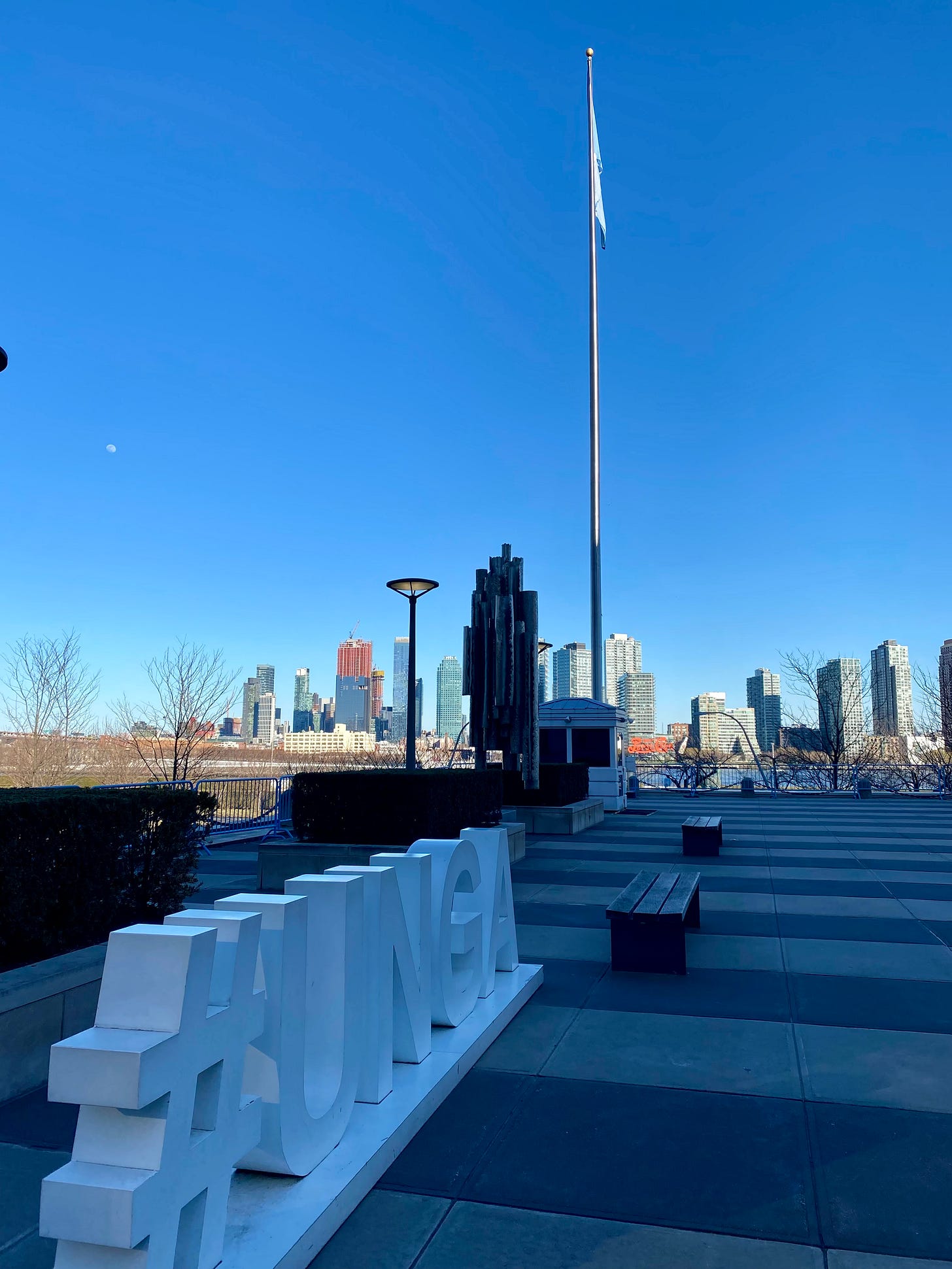
This matters now more than ever. The United Nations General Assembly 80th session opened in September in New York. It is supposed to launch the selection process for the next Secretary-General, whose term begins in 2027. Governments will hold debates on procedure, timetables and criteria, but the substance risks being the same as always: a closed ritual controlled by five veto powers. Unless governments and citizens demand more, the world will once again be handed a leader chosen to protect the status quo.
Civil society has pushed for reforms. Hearings with candidates. More transparency. The call for a woman Secretary-General. These matter but they do not solve the core problem. The UN leader remains accountable to five states, not to humanity. Extraordinary women may put their names forward this time and I hope they do. But an outside candidacy is also needed, one that represents people, not governments, and challenges a process designed to protect insiders.
I am running because I can say what others will not. I am not tied to the interests of five superpowers. I am not seeking to preserve the status quo. My campaign is about pushing for the radical reforms the UN desperately needs: abolishing the veto, making international law enforceable on all states, creating protection forces when genocide unfolds, and putting survival issues - climate, artificial intelligence, pandemics, poverty and freedom struggles - at the top of the global agenda. I may be called too young, too radical, too unqualified, but that is exactly why I can do what others will not: disrupt a system that is failing humanity and demand it be rebuilt to serve people, not governments.
Sign my UN campaign
Let’s be honest, changing one face will not fix everything. The Secretary-General has limited powers. But the role is as strong as its occupant chooses to make it. In recent years leaders have chosen appeasement and backroom deals. These are not normal times. Moral clarity is required. The next Secretary-General must be ready to put themselves and their position on the line. That means calling out genocide when it happens, demanding a protection force for civilians in Gaza, rallying countries to impose sanctions and embargoes when international law is shredded, even getting on a boat to Gaza to stop the bombing by putting their body on the line. That is the kind of leadership the world needs.
The United Nations was created to unite us. It is time to reclaim it. I never wanted to run for a position that is undemocratically chosen and built to reward those who appease. Unless we reclaim it, it will collapse into irrelevance, and with it, our chance of survival.